
 See My Latest Article on HelloNation
Why Are Flexible Learning Models Relevant for Medical Education?
Flexible learning in medical education refers to approaches that adapt to the needs of diverse students and evolving healthcare environments. This is especially meaningful in Erie, PA, where residents value local training suited to the realities of the region’s healthcare system and community health needs. Flexible models often combine online instruction, hands-on practice in clinical settings, independent research, and collaborative work, making them adaptable to the area’s climate, busy schedules, and the importance of working in local health systems.
How Do Flexible Learning Models Support the Needs of Erie’s Future Healthcare Professionals?
Flexible learning allows Erie’s medical students to balance academic study with local clinical experiences. Many aspiring healthcare workers in the city often have jobs, family responsibilities, and community commitments.
Shorter winter days and unpredictable weather can limit travel, making virtual classes and recorded lectures especially practical for maintaining progress regardless of road conditions. Flexible scheduling options, such as asynchronous coursework, help local students learn at their own pace and allow time for part-time jobs, field work in community clinics, or family care.
What Are Practical Examples of Flexible Learning Approaches in Medicine?
Several adaptable approaches are becoming standard across medical training, including:
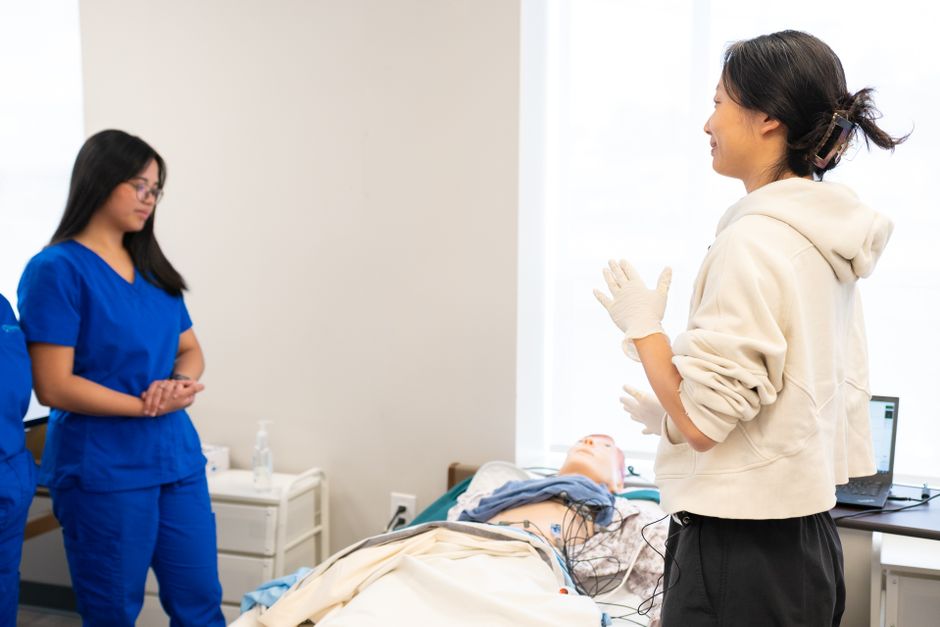
- Blended learning: Students spend part of their time in classroom or simulation labs and part online. For Erie students, this often means attending essential in-person labs, such as anatomy or emergency response, while conducting much of the background coursework remotely.
- Flipped classrooms: Students review lectures or materials on their own, then join small group discussions or skills sessions to apply knowledge.
- Problem-based learning: Working in teams to solve real-world medical cases, helping students develop problem-solving, communication, and leadership abilities suited to local healthcare challenges.
- Clinical and community-based rotations: Flexible placements in area clinics, primary care offices, hospitals, and long-term care centers reflect Erie’s healthcare needs, expose students to diverse patient populations, and address area-specific wellness issues.
These approaches encourage Erie’s students to take an active role in their own learning paths and adapt more quickly to new roles and responsibilities after graduating.
Can Flexible Models Prepare Students for the Future of Healthcare?
Flexible models reflect modern healthcare’s realities: constant change, rapid advancements in technology, and the need for lifelong learning. Erie’s local hospitals and care centers increasingly rely on skills such as telemedicine, digital recordkeeping, and culturally sensitive patient communications.
By training through flexible programs, Erie’s students are exposed early to:
- Remote-patient consultations and telemedicine strategies, crucial for serving city residents who may struggle with transportation or mobility during winter months or have limited access to specialty care.
- Adaptation to new digital tools, including electronic health records and emerging telehealth platforms.
- Interdisciplinary teamwork, which is now a cornerstone of effective patient care.
Common misconceptions suggest that flexible learning means “easier” learning. In practice, the most successful students in these models are proactive, organized, and motivated—traits that are equally valuable to healthcare teams.
What Should Erie Residents Know About Accessing Flexible Medical Training?
Flexible models are not only for traditional, full-time medical students. They are also accessible to those who may be returning to school after time in the workforce, balancing other careers, or changing paths later in life.
Area residents may find benefits in:
- Short online modules that can be reviewed during off-hours or while commuting via local transit.
- Hybrid lab sessions scheduled around shift work or family obligations.
- Opportunities for hands-on experience through local outreach projects or health fairs that run seasonally, allowing involvement even with variable schedules.
These pathways can help individuals in Erie pursue or continue careers in healthcare without relocating or sacrificing responsibilities at home.
How Do Flexible Learning Models Address Erie’s Unique Healthcare Challenges?
The city has unique health trends, including chronic illnesses tied to the region’s aging population and the effects of seasonal climate patterns. Flexible models allow for:
- Rapid incorporation of new public health approaches—such as protocols for managing cold-weather injuries or preventing respiratory illnesses during long winters.
- Local case studies and simulation exercises that focus on issues like regional opioid prevention, rural health access, or chronic disease management common among local residents.
- Community-based instruction led by experienced local clinicians familiar with Erie’s specific challenges.
This adaptability helps ensure that medical students are thoroughly prepared to serve area households and respond to emerging health needs.
What Are the Limitations or Challenges of Flexible Models?
While flexible learning offers great advantages, it also comes with potential hurdles:
- Not all clinical skills can be taught remotely; physical examination, direct patient interaction, and procedural techniques require hands-on time.
- Reliable broadband is necessary for remote coursework, and some residents may face barriers to high-speed internet, particularly during harsh winter conditions that disrupt service.
- Self-directed learning demands high motivation and effective time management; some students may feel isolated or struggle to seek guidance outside a traditional classroom structure.
Community members should be aware that while flexibility provides opportunities, success in these models requires personal accountability and sometimes extra effort to connect with faculty, mentors, and peers.
How Can Erie Families and Residents Support Medical Students Adapting to Flexible Learning?
Understanding the demands of flexible programs can help families provide practical and emotional support. For example, local households might:
- Encourage designated study spaces at home, especially during months when weather limits public or library access.
- Recognize the need for quiet time during live virtual lectures or remote simulations.
- Offer encouragement, especially during challenging rotations or periods that blend long clinical shifts with independent online work.
These small acts can make a significant difference in supporting medical students who are pursuing careers in healthcare fields vital to the local community.