
 See My Latest Article on HelloNation
How Does Innovation Affect Medical Education Outcomes?
Innovation directly influences medical student outcomes by offering updated tools, teaching methods, and support systems that help learners meet modern healthcare challenges more effectively. In Erie, PA, medical students benefit from advancements that reflect both national trends and the specific needs of the community.
What Types of Innovations Are Most Helpful for Medical Students?
Several key innovations have shown measurable benefits for local medical students:
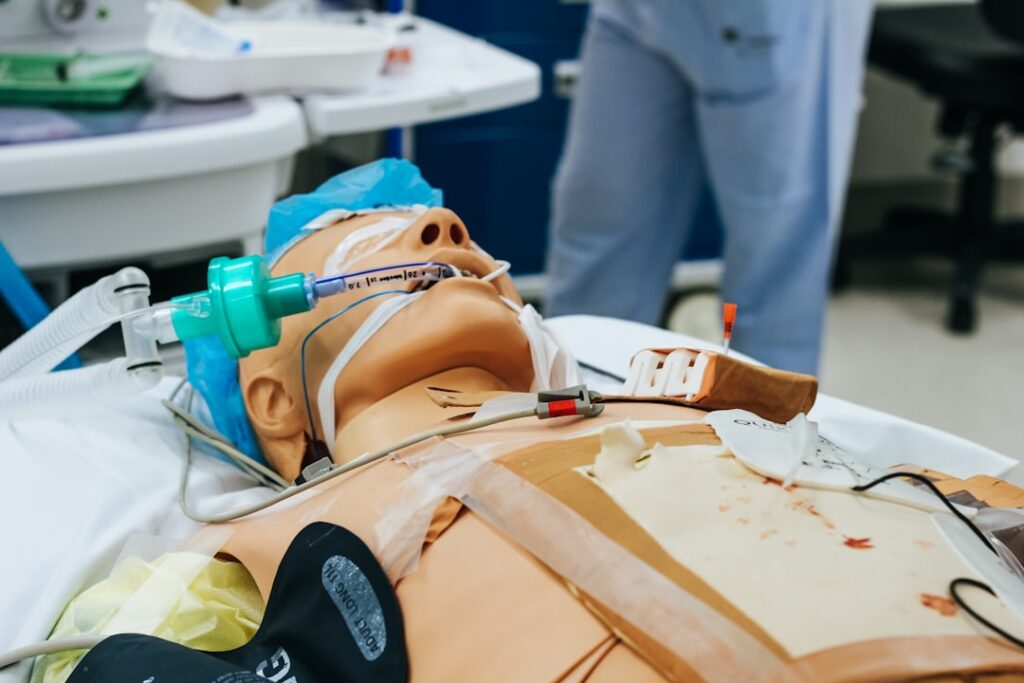
- Simulation-Based Learning: Students practice on realistic mannequins and virtual patients before working with real people. This allows for safe mistakes and constructive feedback.
- Flipped Classrooms: Students review lectures independently online, reserving classroom time for hands-on learning and discussion. This method can be better suited to different learning paces and styles.
- Adaptive Learning Platforms: These customize questions and materials based on the student’s strengths and weaknesses, providing individualized study plans.
- Telemedicine Training: Especially important in settings that experience winter weather or limited mobility, remote care platforms provide future doctors exposure to current healthcare delivery methods.
By integrating these tools, medical schools offer more flexible, relevant, and higher-quality education, leading students to perform better in exams and clinical settings.
What Local Factors Drive Innovation in Medical Training?
Local climate, community health needs, and the size of patient populations each play a role. In Erie, unpredictable winters sometimes limit travel, so virtual and simulated learning environments become practical necessities. Additionally, the area’s mix of rural and urban populations gives students experience with various patient backgrounds and medical conditions, encouraging programs to be responsive and versatile.
Smaller class sizes at local institutions often enable closer mentorship and quicker adoption of new technologies, further benefiting students.
Are There Examples of Innovation Improving Patient Care Skills?
Yes, simulated patient interactions stand out as a clear example. Students develop interviewing, diagnostic, and procedural skills in controlled environments, sometimes using role-playing with actors. This approach helps aspiring physicians gain experience handling sensitive conversations and emergencies before entering local clinics or hospitals.
Residents might notice that, over time, newly graduated medical professionals display stronger communication skills, better bedside manner, and increased confidence with advanced equipment.
Can Technology Replace Traditional Hands-On Training?
Technology can enhance but not entirely replace hands-on training. While virtual reality, simulation, and telemedicine tools bridge many gaps, students still need real-life patient exposure. The most effective programs in Erie combine innovative tools with supervised practice in clinics and healthcare settings, ensuring students graduate with a well-rounded skill set.
Common misconceptions include the belief that online simulations can fully substitute for in-person patient care or that high-tech classrooms remove the need for mentorship from experienced physicians. In practice, technology is best seen as a supplement, not a substitute.
Does Innovation Improve Student Well-Being and Preparedness?
Innovative approaches can reduce stress, increase engagement, and improve long-term retention. For example:
- Flexible scheduling from recorded lectures allows for better management of study and rest.
- Improved access to resources through digital libraries or online study groups helps students feel less isolated during difficult rotations, especially in challenging weather or after-hours schedules.
- Early exposure to telemedicine and rural care technologies prepares students for the unique demands of medical practice in the region.

Student feedback in the community suggests that these changes help reduce burnout and promote a healthier academic environment.
How Do Local Medical Schools Incorporate Community Health Priorities?
Medical education in Erie increasingly aligns with regional public health needs, thanks to ongoing innovation. Local training often includes required modules on community health, addiction care, and the management of chronic illnesses common to area households.
Programs might use data analytics to identify local health trends, then update curriculum content accordingly. For instance, an increase in certain illnesses during colder months might prompt additional training in respiratory care or infection prevention, giving new doctors the context and preparedness that benefits local families.
What Should Residents Know About the Relationship Between Innovation and Quality of Care?
Community members sometimes wonder if new technologies might make medicine feel less personal. In reality, effective innovations are most successful when they support—not replace—core values like compassion, patient safety, and open communication.
Local students learn to use advanced tools alongside the development of human-centered skills, such as empathy and ethical decision-making. The goal is always to prepare graduates who are confident, competent, and ready to serve diverse community needs.
Are There Risks or Challenges Associated With Educational Innovation?
Every change involves adjustment periods. Some students may find new platforms confusing at first or worry about limited face-to-face time with instructors. Technology access can occasionally pose barriers, especially for those without reliable at-home internet during harsh weather.
However, local faculty and academic advisors typically offer robust support, and most students adapt quickly as resources and training improve.