
 See My Latest Article on HelloNation
What Has Changed About Medical Education for Local Students?
Medical education has shifted significantly over the past decade. Once heavily focused on memorization and long classroom hours, training now blends classroom learning with interactive clinical experiences, research opportunities, and a stronger focus on communication. These updates reflect advances in medicine and the needs of communities like Erie, PA, where physician shortages and diverse public health challenges require graduates who are adaptable and skilled in real-world scenarios.
How Does Modern Training Prepare Physicians to Serve Our Community?
New approaches emphasize hands-on training and community-based education. Students complete early and frequent clinical rotations, working in area hospitals, outpatient clinics, and other healthcare settings. This allows aspiring doctors to understand local health trends, practice working within interdisciplinary teams, and develop cultural competence. Such experiences are especially valuable in cities with unique combinations of rural, suburban, and urban populations, as found throughout the region.
What Are the Key Components of Contemporary Medical School Curricula?
Current curricula blend several elements:
- Foundational Sciences Integrated with Clinical Reasoning: Basic science is now taught alongside real patient cases, rather than as separate lecture-heavy courses. This helps students link theory to practice and retain knowledge better.
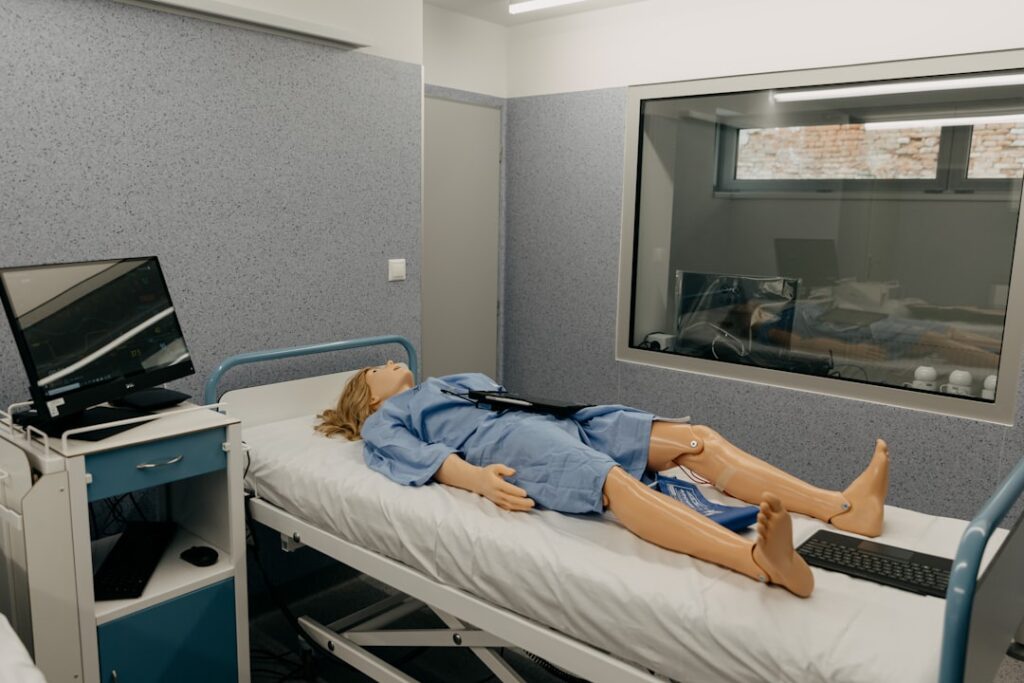
- Simulation-Based Learning: Many schools incorporate simulation labs where students practice everything from simple exams to high-stakes emergencies using realistic mannequins or virtual reality. These exercises help build confidence before seeing real patients.
- Longitudinal Patient Experiences: Instead of rotating quickly through different specialties, students may follow certain patients over many months or even years. This builds understanding of chronic disease management and strengthens physician-patient relationships.
How Is Technology Shaping Physician Education?
Advances in technology have significantly enhanced training for future physicians in Erie. Virtual lectures and online modules allow flexibility, while high-fidelity simulation equipment replicates rare or complicated cases. Telemedicine practice is also included, preparing students for digital healthcare delivery. As telehealth becomes more relevant, especially during severe winter weather or when serving outlying communities, familiarity with these tools is critical.
What Role Do Interprofessional Teams Play in Training?

Modern physician education recognizes that healthcare is a team effort. Students now work closely with nursing, pharmacy, social work, and allied health trainees. This collaboration mimics actual care environments, such as local outpatient clinics and hospitals, where providers must solve problems collectively. Exposure to team-based care helps break down professional silos and prepares graduates to meet patients’ needs efficiently.
How Are Clinical Skills Assessed and Improved?
Practical skills are assessed through Objective Structured Clinical Examinations (OSCEs), standardized patient encounters, and direct observation. Feedback is rapid and detailed, helping students correct mistakes early. These assessments often simulate typical cases seen in Erie, ensuring local relevance and readiness for the community’s unique needs.
Do Local Medical Schools Address Social Determinants of Health?
Yes. Training increasingly includes instruction about how factors like housing insecurity, food access, and transportation barriers impact health. Case studies and hands-on projects might focus on issues such as managing chronic conditions for older residents living alone during the city's cold winters, or addressing gaps in care for families without reliable transportation. These lessons equip future doctors to connect patients with community resources and advocate for broader health improvements.
How Does Medical Education Support Lifelong Learning?
Physician education does not stop after graduation. Training programs now dedicate time to teaching self-directed learning, how to use evidence-based resources, and the importance of continuing education. Local physicians often engage in mentorship, research, and quality improvement initiatives long after residency, keeping up-to-date with developments relevant to the area's population and public health challenges.
What Should Prospective Students and Families Know About Local Training Pathways?
Those considering a medical career should understand that modern local education options are more flexible and patient-centered than in the past. Local schools may offer accelerated programs, early clinical exposure, and electives addressing issues specific to Erie households, such as environmental health risks or rural medicine. Volunteer work, simulation experiences, and community engagement are standard opportunities. Interested residents should seek programs that match their interests in primary care, specialty practice, or research, keeping in mind the local demand for physicians able to serve diverse populations.