
 See My Latest Article on HelloNation
How Does Collaborative Learning Work in Medical Schools?
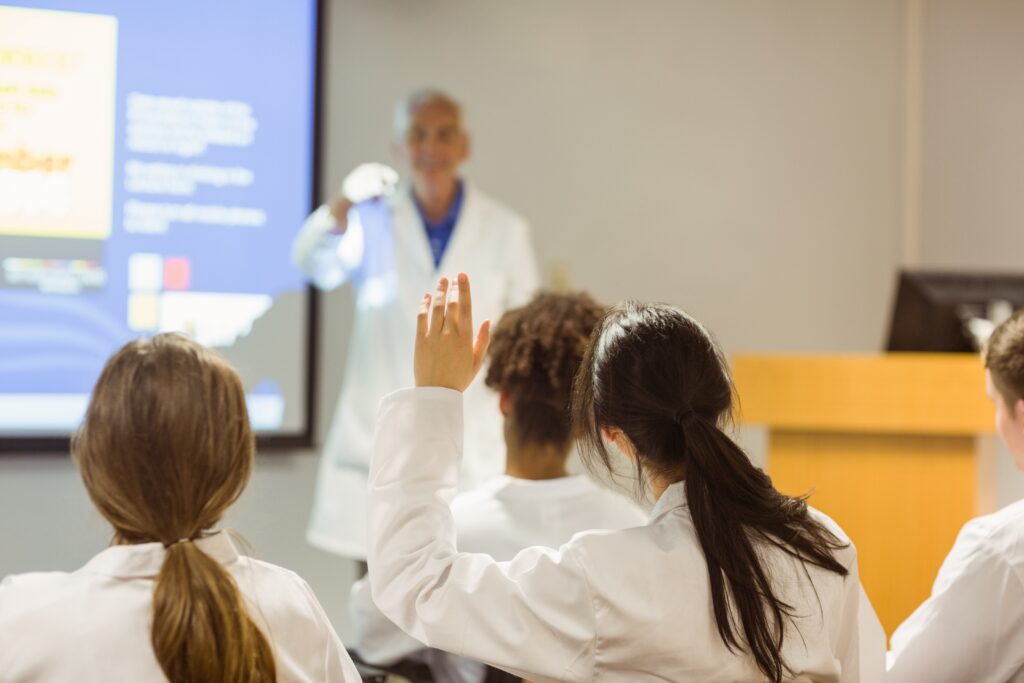
Collaborative learning in medical schools involves students working together on academic problems, clinical cases, or research projects. This approach encourages sharing ideas, questioning assumptions, and developing interpersonal skills essential for future physicians. Instead of the traditional focus on individual competition, students in the city often experience group-based activities that reflect how real-world medicine relies on teamwork.
What Are the Main Benefits for Medical Students?
Collaboration enhances understanding and retention. When students explain concepts to each other or tackle challenging cases as a team, they gain deeper comprehension—a key advantage in complex subjects like anatomy or pharmacology. Additional benefits include:
- Improved communication skills, crucial for both patient care and working with colleagues
- Exposure to different perspectives and learning styles, which prepares students for diverse patient populations
- Reduced feelings of isolation, a common stressor in rigorous medical programs
Many medical schools in the area structure courses around team learning, recognizing that most modern healthcare happens in multidisciplinary groups.
Where Is Collaborative Learning Most Used in Erie’s Medical Schools?
Collaborative methods are integrated into several stages of local medical education. Residents often encounter:
- Small group discussions for breaking down textbooks and sharing clinical insights
- Problem-based learning (PBL), where teams analyze patient scenarios to reach diagnoses
- Lab or simulation-based teamwork, offering hands-on practice with peer feedback
- Interprofessional education events, bringing medical, nursing, and pharmacy students together
This structure helps replicate the group dynamics that medical graduates will experience in hospitals or community health settings.
What Challenges Do Students Face in Collaborative Settings?
Some common concerns include uneven workload distribution, personality conflicts, or differing levels of participation. There can also be fear that group work may affect individual assessment. In local medical programs, educators often address these:
- Clear group roles and expectations, set at the start of projects
- Guidance on managing group disagreements respectfully
- Assessment methods that combine individual performance with group contributions
Students new to collaborative formats may need time to adjust, but most find the benefits outweigh initial discomfort.
How Does Local Context Impact Collaboration?
Medical education in Erie is shaped by the area's healthcare needs and resources. The city’s blend of urban and rural patient populations gives students a window into the teamwork required for comprehensive care. Collaborative case work may focus on regional health issues, such as public health challenges distinctive to the region.
For example, students working in teams might:
- Design community outreach plans addressing barriers to care in smaller towns near the city
- Analyze real patient scenarios from the region’s hospitals or clinics
- Consult with local specialists or public health officials as part of group projects
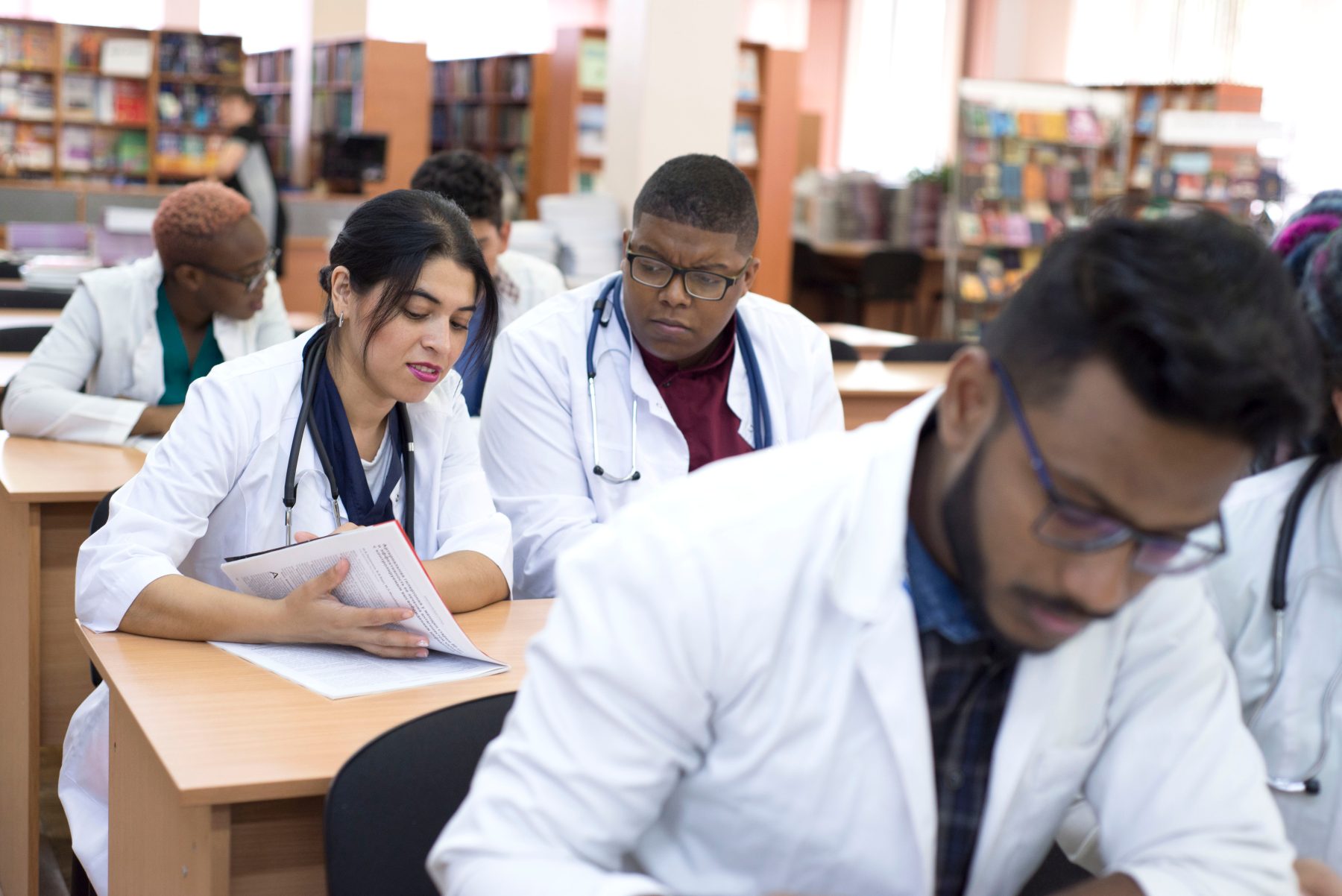
This local grounding helps future physicians understand collaboration not just as an academic exercise, but as a core part of their future roles in the community.
What Are Common Misunderstandings About Collaborative Learning?
Some assume that collaboration dilutes academic rigor or makes it easier to “coast” without mastering material. In practice, group learning in medical school encourages high standards, since students must explain their reasoning and understand material well enough to teach peers. Another misconception is that collaboration replaces all individual study; in reality, it usually complements personal review sessions, balancing independence with teamwork.
Practical Tips for Thriving in Group Learning Environments
Medical students aiming to make the most of collaborative formats can:
- Come prepared, having reviewed foundational materials before group meetings
- Participate actively, offering ideas and listening to others’ perspectives
- Practice clear communication, especially if misunderstandings arise
- Reflect on group interactions to improve future teamwork
Faculty in the area often provide training in team skills early in the curriculum, recognizing their importance for local healthcare delivery.
How Does Collaborative Learning Prepare Students for Medical Practice?
Medicine relies on collective problem-solving. For example, hospital rounds, patient handoffs, and interdisciplinary meetings all require strong teamwork. By learning collaboratively during medical school, future doctors gain:
- Confidence to speak up in group settings and contribute insights
- Experience in resolving disagreements and building consensus
- Skills for lifelong learning—being open to feedback and adapting to new evidence
These abilities translate directly to clinical settings in Erie’s health system, where patient outcomes often hinge on effective collaboration.